Altnagelvin Hospital
- Location: Derry/ Londonderry
- Client: Western Health & Social Care Trust
- Project Completion: 2023
Project Information
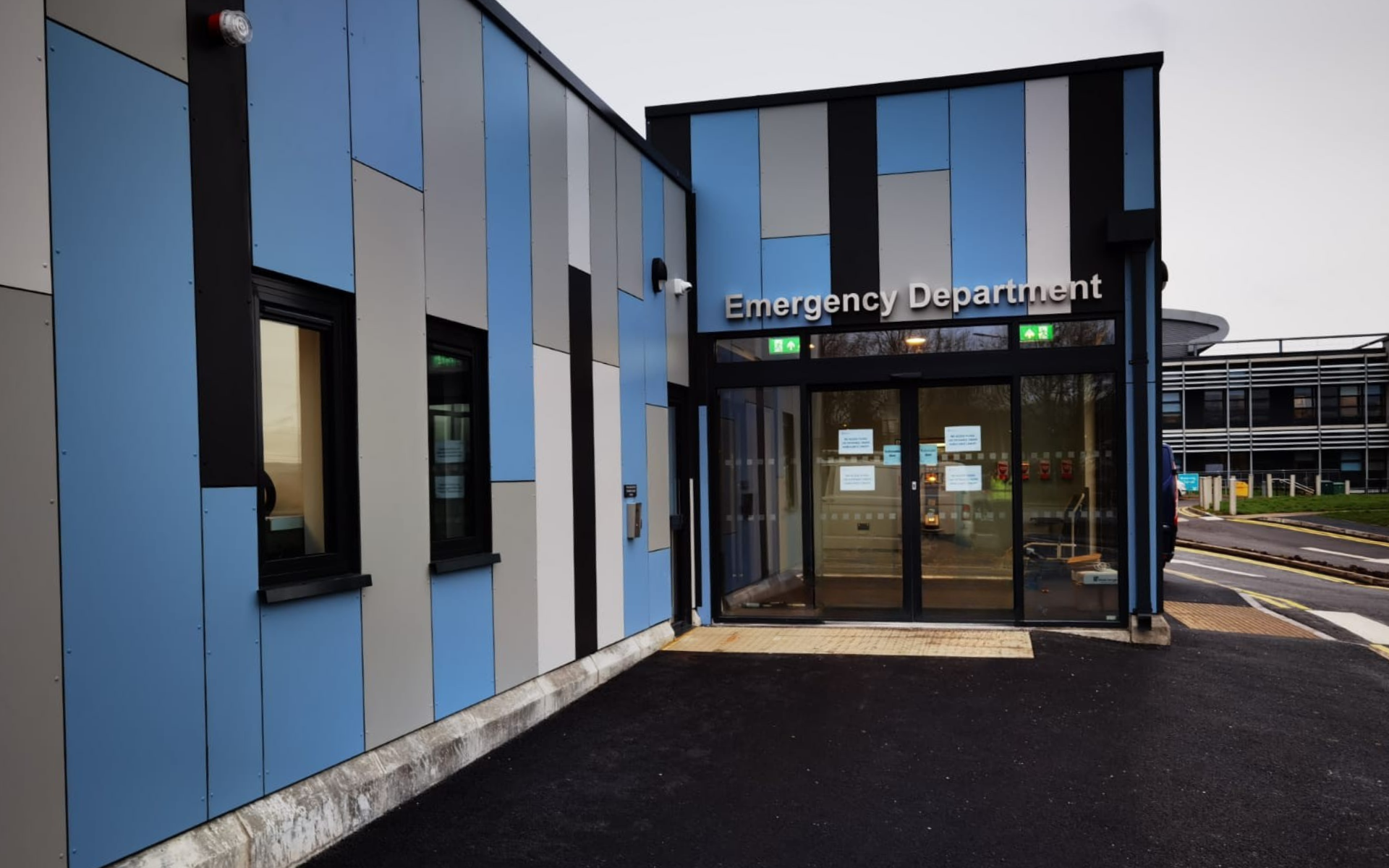
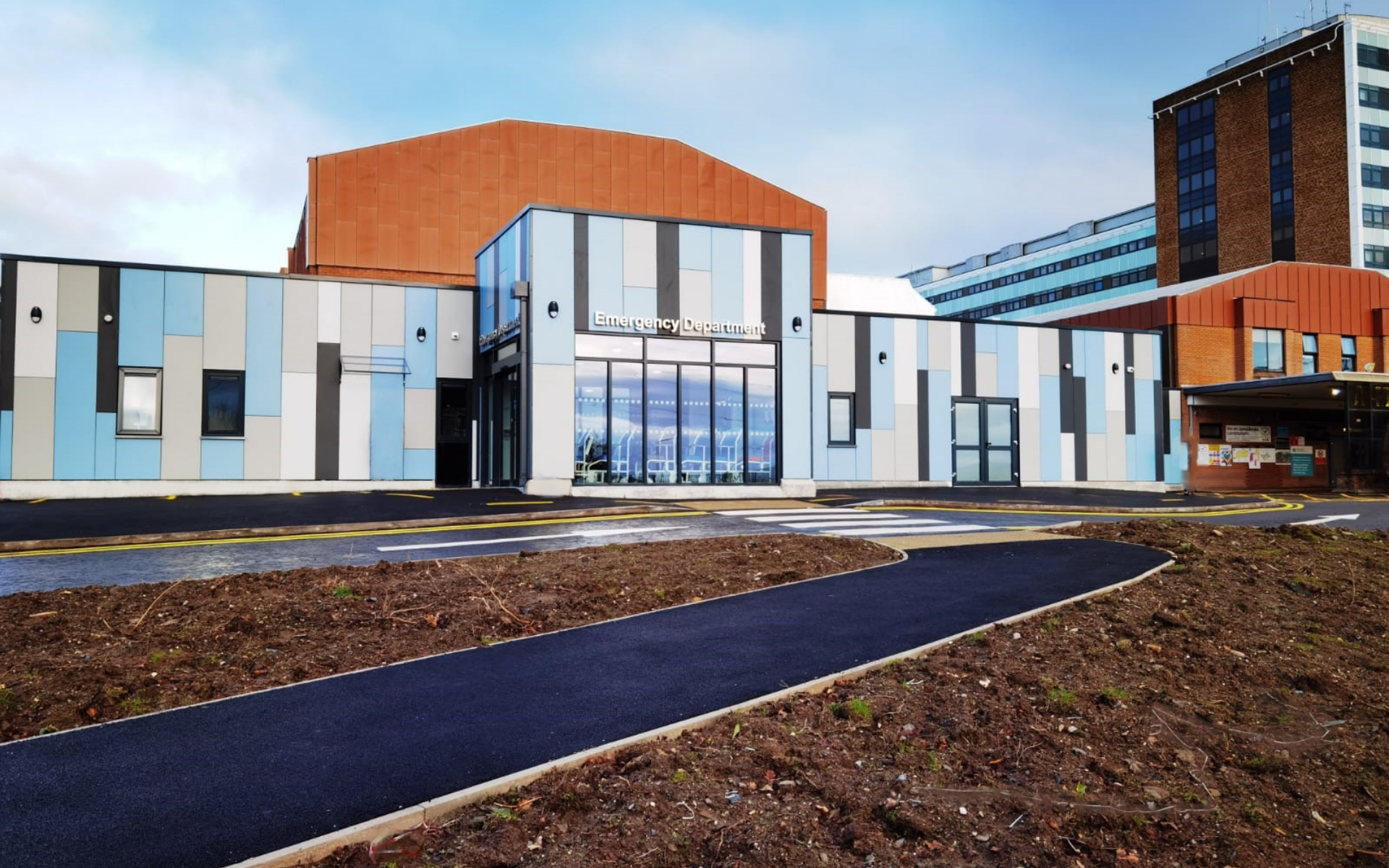
P McVey Building Systems served as the main contractor for a 400m² modular extension. This project supported Altnagelvin Hospital during the surge in Covid-19 cases. The team designed the extension in-house and then manufactured the units offsite. Following production, they installed the full building within an impressive 8-week period from order placement. To minimise disruption within the live healthcare environment, the team completed installation in just two days. Furthermore, they worked late on-site to reduce noise and limit any operational impact.
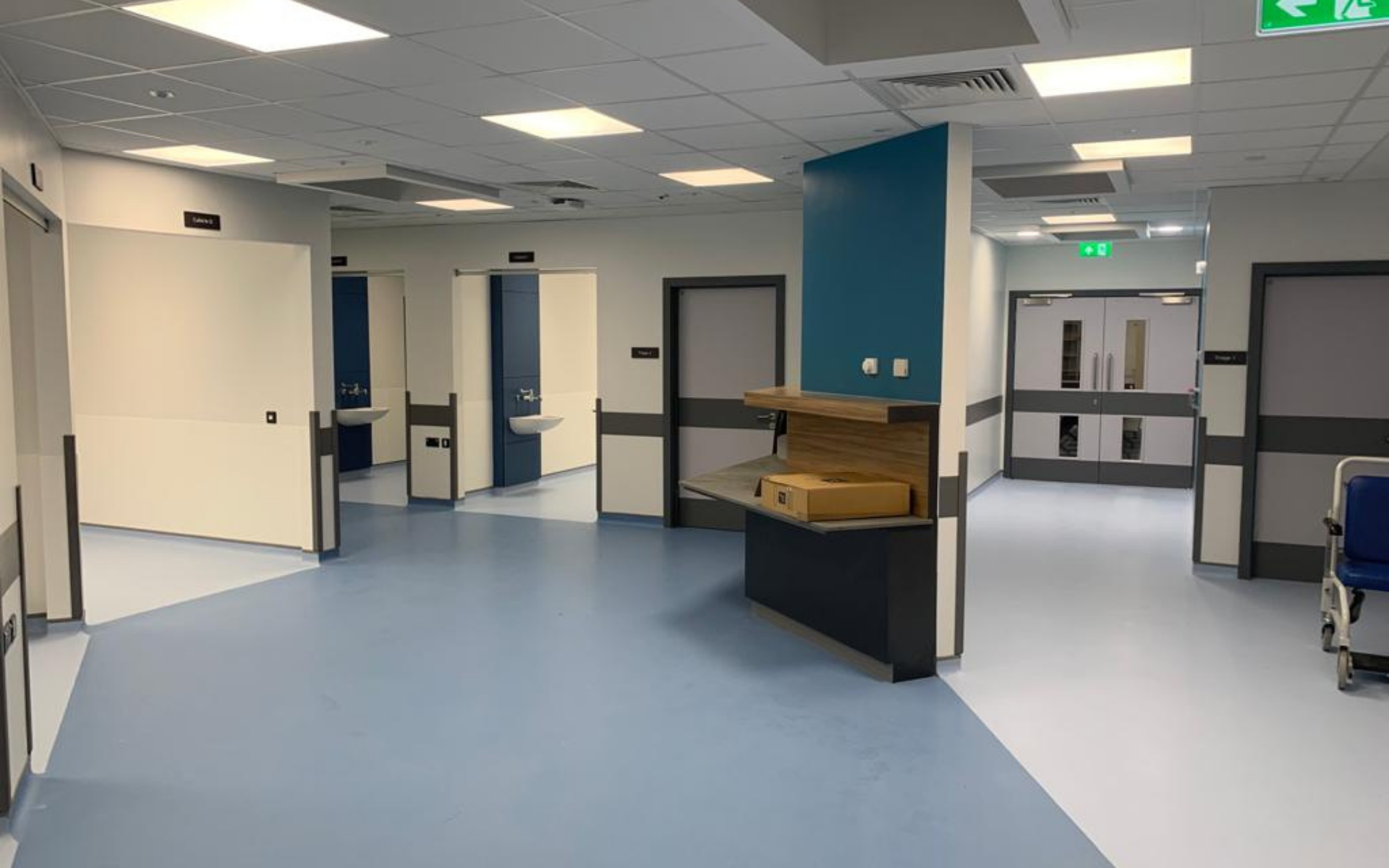
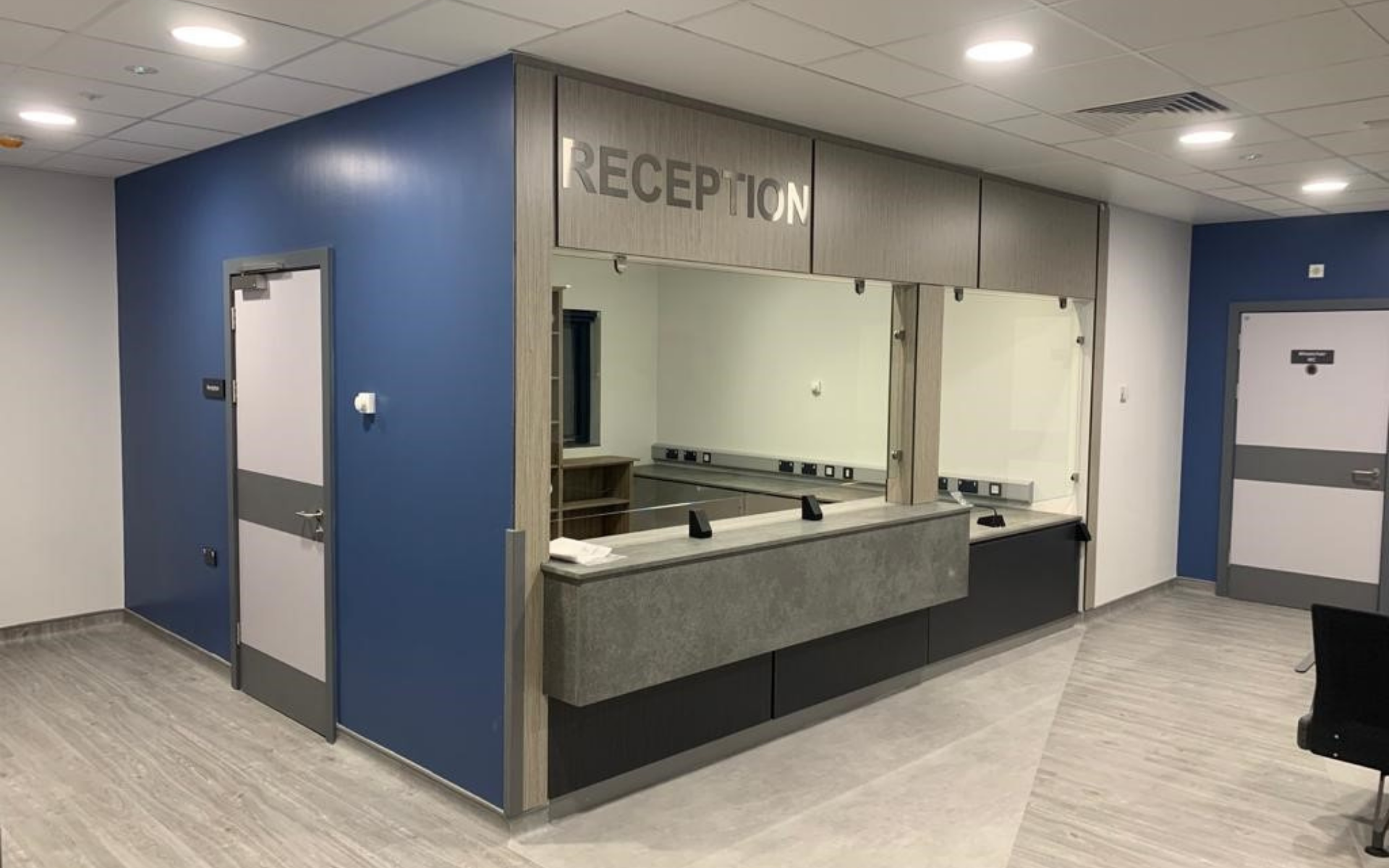
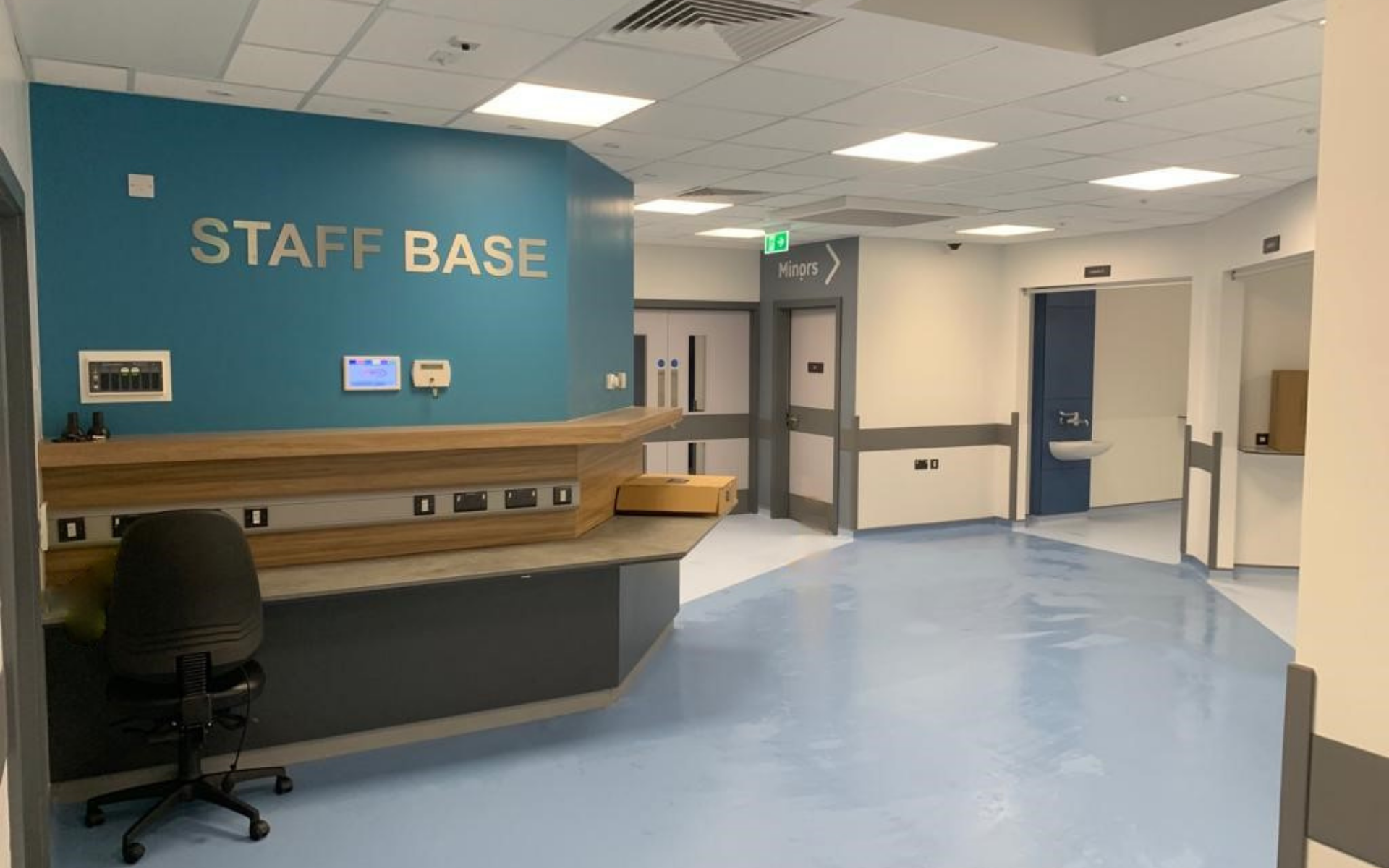
The project delivered a rapid expansion to the hospital’s Emergency Department. Consequently, it created essential additional space for staff and the rising number of patients. Moreover, the new extension includes a reception area, a waiting room, two triage assessment rooms, seven treatment bays, a children’s area, and two utility rooms. Every room was designed to integrate cleanly with the existing building, supporting high patient throughput during a critical period.
Working within a constrained and busy hospital environment posed significant challenges. The location demanded careful logistical planning from the outset. In addition, the team coordinated continuously with hospital staff to ensure that access for patients, staff, and visitors remained open throughout construction. Despite these pressures, the team finished the project ahead of schedule and within budget. As a result, the extension provided vital additional capacity at the height of the pandemic.
Offsite Solution
The extension used 12 steel-frame modular units. The team manufactured all units offsite ahead of schedule. They completed the internal electrics and plumbing on-site after installation. This approach allowed the building to be commissioned quickly and efficiently. Offsite production created a highly controlled manufacturing process. It reduced construction time. It improved build quality. It also significantly minimised disruption within the live hospital campus.
The offsite methodology proved essential given the urgent nature of the project. It helped the team respond to the pressures facing the Emergency Department. By prefabricating the units, the team moved much of the work away from the hospital. This reduced noise, waste, and on-site activity during the exceptionally busy Christmas period. The rapid installation and seamless integration with the existing infrastructure demonstrate the effectiveness of modular construction. This matters in time-sensitive healthcare environments. It becomes especially valuable during emergency responses. This offsite-led approach gave the Western Health & Social Care Trust the critical additional space it needed most. It supported patient care. It eased pressure on frontline staff. It played a vital role during the peak of the Covid-19 pandemic.